
Blog
Custom Millwork Benefits & Trends for 2026
Custom millwork plays an important role in modern architecture, interior design, and cabinet manufacturing. From fitted cabinets and reception desks to decorative wall panels and built-in furniture, custom millwork helps create spaces that combine practical functionality with a distinctive appearance.
For cabinet manufacturers, architects, interior designers, and woodworking businesses, successful millwork projects require more than an attractive design. Accurate dimensions, detailed shop drawings, suitable materials, and effective coordination between design and manufacturing are equally important.
As the industry continues to adopt digital design tools and more customized solutions, professional millwork drafting and engineering support can help businesses manage complex project requirements.
FURNiGENCE LLP provides remote drafting, engineering, and estimation support for the woodworking, cabinetry, and interior design industries, helping businesses translate design requirements into manufacturing-ready documentation.
What Is Custom Millwork?
Custom millwork refers to made-to-order architectural woodwork and related interior components designed to meet the requirements of a specific project.
Common examples include kitchen cabinets, wardrobes, reception counters, wall paneling, shelving, decorative moldings, commercial casework, and built-in storage systems.
Unlike standard, ready-made products, custom millwork can be adapted to specific dimensions, materials, finishes, and functional requirements. This flexibility allows manufacturers and designers to create solutions that suit the available space and the intended use.
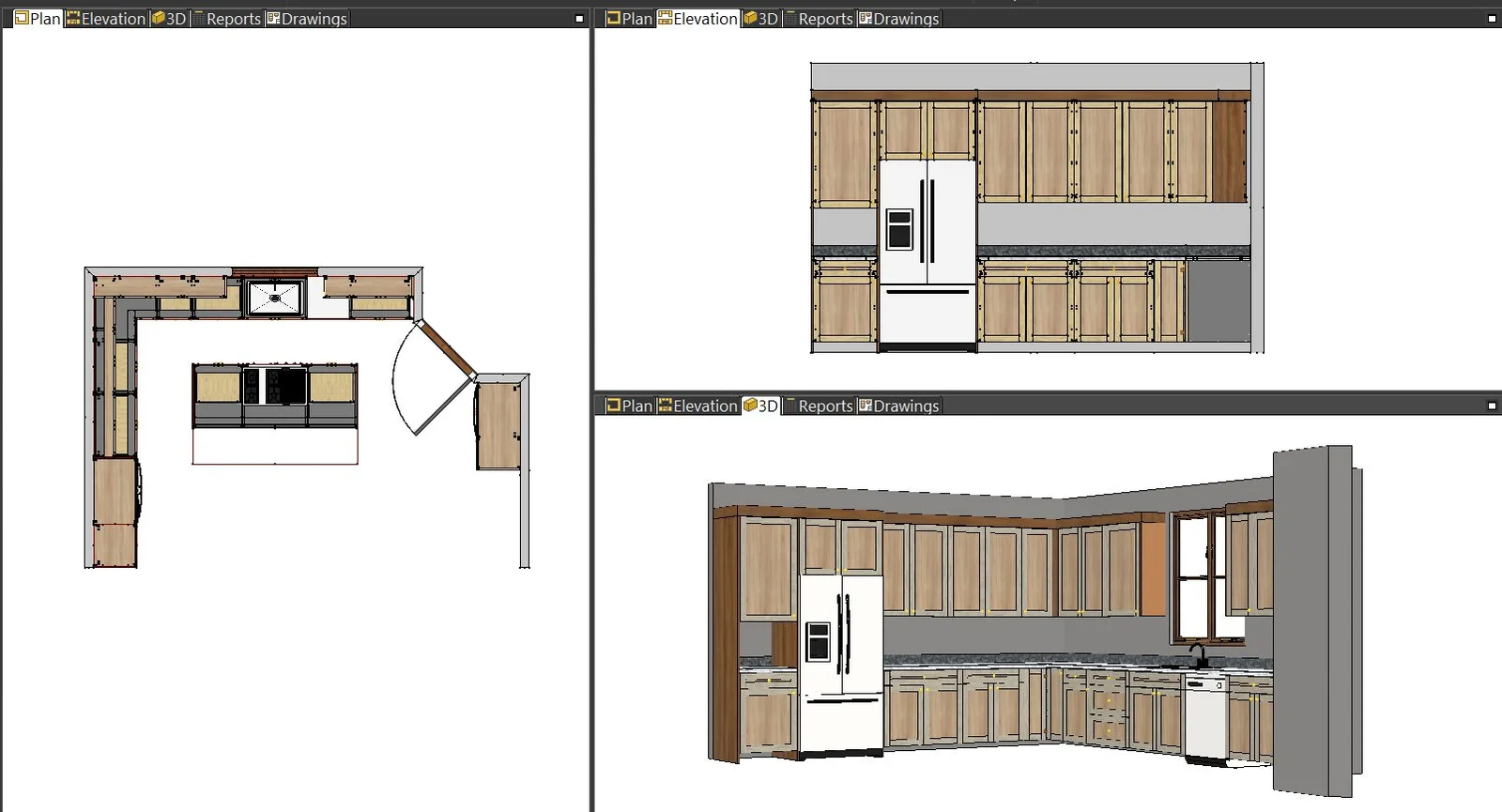
Detailed millwork shop drawings communicate these requirements to production teams. They may include elevations, sections, dimensions, material specifications, hardware locations, and construction details.
Key Benefits of Custom Millwork
1. Greater Design Flexibility
One of the main advantages of custom millwork is the ability to develop designs around a project’s specific needs. Manufacturers can work with different configurations, wood species, finishes, and materials to achieve the desired result.
For example, a commercial office may require a reception desk with integrated storage, cable management, and a custom finish. Detailed drawings help communicate these requirements before manufacturing begins.
2. Better Use of Available Space
Custom cabinetry and built-in furniture can make effective use of available space in residential, commercial, and hospitality projects.
Cabinets can be designed around room dimensions, appliances, structural elements, and storage needs. Accurate measurements and coordinated drawings help identify potential fitting issues before materials are cut.
3. Improved Project Coordination
Millwork projects often involve architects, designers, contractors, manufacturers, and installers. Each team needs reliable information to complete its part of the project.
Clear shop drawings provide a common technical reference for dimensions, materials, hardware, construction details, and installation requirements. This can reduce misunderstandings and help identify missing information early.
4. Support for Consistent Manufacturing Quality
Custom millwork involves several connected processes, from material selection and component preparation to assembly and installation.
Detailed technical drawings give production teams clearer instructions and help maintain consistency between the approved design and the manufactured components. Proper checking and coordination remain essential throughout the process.
5. More Organized Production Workflows
Accurate drawings and coordinated digital models can support a smoother transition from design to manufacturing.
For businesses using CNC machinery, suitable digital workflows may help prepare component details and machine-ready files. This can reduce duplicate drafting work and improve consistency between design documentation and production data.
Top Custom Millwork Industry Trends for 2026
In 2026, millwork design continues to combine personalization, functional interiors, material variety, and digital manufacturing. The following trends are relevant to businesses working in cabinetry, architectural woodwork, and commercial interiors.
1. Natural Wood Tones and Textured Surfaces
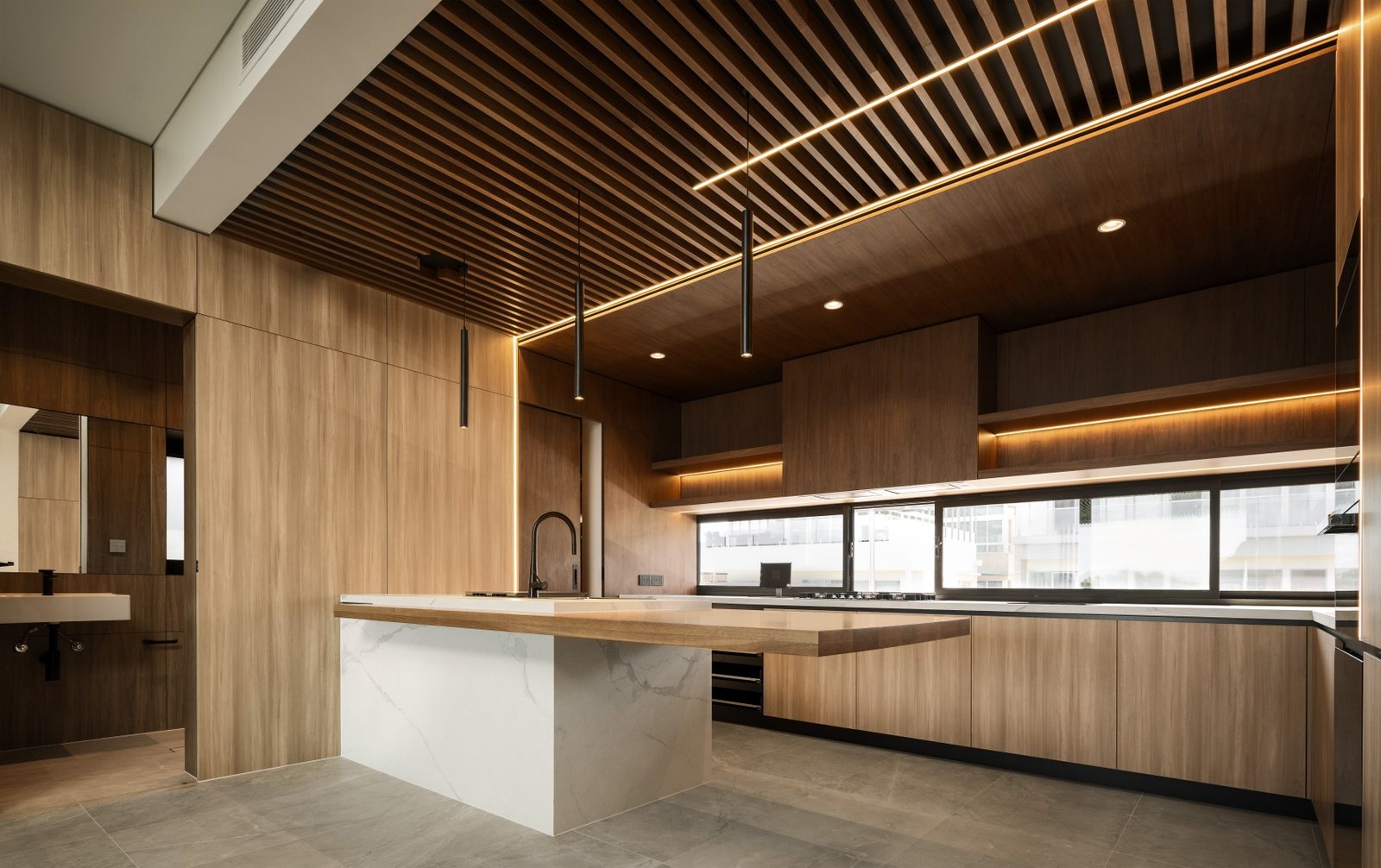
Natural wood grains, warm finishes, and textured surfaces are prominent choices in contemporary millwork design.
Fluted panels, reeded cabinet fronts, wood veneers, and feature walls can introduce depth and visual interest into kitchens, offices, reception areas, and hospitality spaces.
For manufacturers, these designs require attention to grain direction, panel dimensions, joint alignment, and finish specifications. Accurate shop drawings help communicate these details before fabrication.
2. Mixed Materials and Custom Finishes
Designers are combining wood with materials such as metal, glass, stone, and decorative laminates to create distinctive interiors.
Two-tone cabinetry, contrasting finishes, and matte surfaces also provide opportunities to personalize residential and commercial projects.
These combinations require clear material schedules and coordinated detailing so that different components fit together correctly and deliver the intended appearance.
3. Curved and Feature Millwork
Curved reception desks, rounded cabinet edges, arched openings, and decorative wall panels are being used to create softer, more distinctive interior spaces.
These designs can require additional engineering and manufacturing consideration compared with standard rectangular components.
Detailed drawings help communicate radii, dimensions, connections, and assembly requirements. Careful planning is particularly important when curved components must fit with adjoining cabinetry or architectural elements.
4. Integrated Lighting and Technology
Millwork is increasingly expected to accommodate practical features such as LED lighting, concealed wiring, charging stations, and audiovisual equipment.
These features are relevant to reception counters, display units, office workstations, and modern cabinetry.
Planning electrical routes, access panels, lighting locations, and component clearances during the drafting stage helps the different project teams coordinate their work before manufacturing and installation.
5. Functional Storage and Modular Designs
Businesses and property owners continue to value storage solutions that make better use of available space.
Built-in cabinets, modular storage units, pull-out organizers, and multifunctional workstations can help create practical interiors without compromising the overall design.
For manufacturers, modular and repeatable components can support more consistent production workflows. Detailed drawings help define component sizes, assembly methods, and connections between individual units.
6. Digital Drafting and CNC Manufacturing
Digital drafting and manufacturing software remain important tools for modern cabinetry and millwork businesses.
Software such as AutoCAD, Cabinet Vision, Mozaik, and Microvellum supports different aspects of drafting, cabinet design, and manufacturing preparation, depending on the system and workflow.
Coordinating shop drawings, digital models, component information, and CNC files can help reduce repeated work and minimize inconsistencies. Each file still needs to be checked against the approved design and the manufacturer’s production requirements before release.
7. More Focus on Material Efficiency
Material selection and efficient use of resources are important considerations in millwork projects. Businesses may evaluate durable materials, responsibly sourced wood, suitable engineered panels, and finishes that meet project requirements.
Accurate drawings and estimation can help teams plan component quantities and identify material requirements before production begins.
Where CNC nesting and cutting optimization are part of the workflow, coordinated component data can also support more efficient material use. Actual savings depend on the design, materials, equipment, and manufacturing process.
Why Accurate Millwork Drafting Matters in 2026
As millwork designs become more customized and production workflows more connected, accurate technical documentation remains essential.
Shop drawings help communicate dimensions, material specifications, hardware requirements, construction methods, and installation details. They also help teams identify potential conflicts before manufacturing begins.
For CNC-based projects, the relationship between approved drawings, digital models, and manufacturing files is particularly important. Inconsistent information can lead to incorrect components, rework, and installation delays.
Investing in careful drafting and engineering support can help manufacturers manage these technical requirements more effectively.
How FURNiGENCE Supports Millwork Businesses
FURNiGENCE LLP provides remote drafting, engineering, and estimation services for businesses in the woodworking, cabinetry, and interior design industries.
Our services include:
- Millwork drafting services: Technical shop drawings and manufacturing documentation for cabinetry and architectural millwork.
- shop drawings: Cabinet design and drafting support for manufacturing workflows.
- Mozaik manufacturing services: Cabinet and millwork drafting support using Mozaik-based workflows.
- CNC-ready design support: Manufacturing-focused design preparation and component detailing.
- Estimation and quantity take-offs: Support with project quantities and material estimation.
Our services help businesses manage drafting requirements, coordinate technical information, and support the transition from design to manufacturing.
Explore our millwork drafting services to learn more about our capabilities.
For project inquiries, visit the FURNiGENCE
Conclusion
Custom millwork brings together design flexibility, practical functionality, and detailed craftsmanship. From textured cabinet fronts and curved reception desks to integrated lighting and CNC-based manufacturing, millwork continues to evolve with changing project requirements.
In 2026, careful material planning, coordinated digital workflows, and accurate shop drawings remain important for turning design concepts into manufacturable products.
With drafting, engineering, and estimation support, FURNiGENCE helps woodworking and cabinetry businesses manage technical documentation and coordinate their manufacturing requirements.
Whether you are developing custom cabinetry or preparing drawings for a commercial millwork project, a well-coordinated approach can help create a clearer path from design to production.